

Commentary
While armed forces commander Rudolph Haykal’s caution is understandable, he is in a position to act, and must.
Michael Young
{
  "authors": [
    "Mohamad Fawaz"
  ],
  "type": "commentary",
  "blog": "Diwan",
  "centerAffiliationAll": "",
  "centers": [
    "Carnegie Endowment for International Peace",
    "Malcolm H. Kerr Carnegie Middle East Center"
  ],
  "englishNewsletterAll": "",
  "nonEnglishNewsletterAll": "",
  "primaryCenter": "Malcolm H. Kerr Carnegie Middle East Center",
  "programAffiliation": "",
  "regions": [
    "Lebanon",
    "Levant",
    "Iran",
    "Israel"
  ]
}
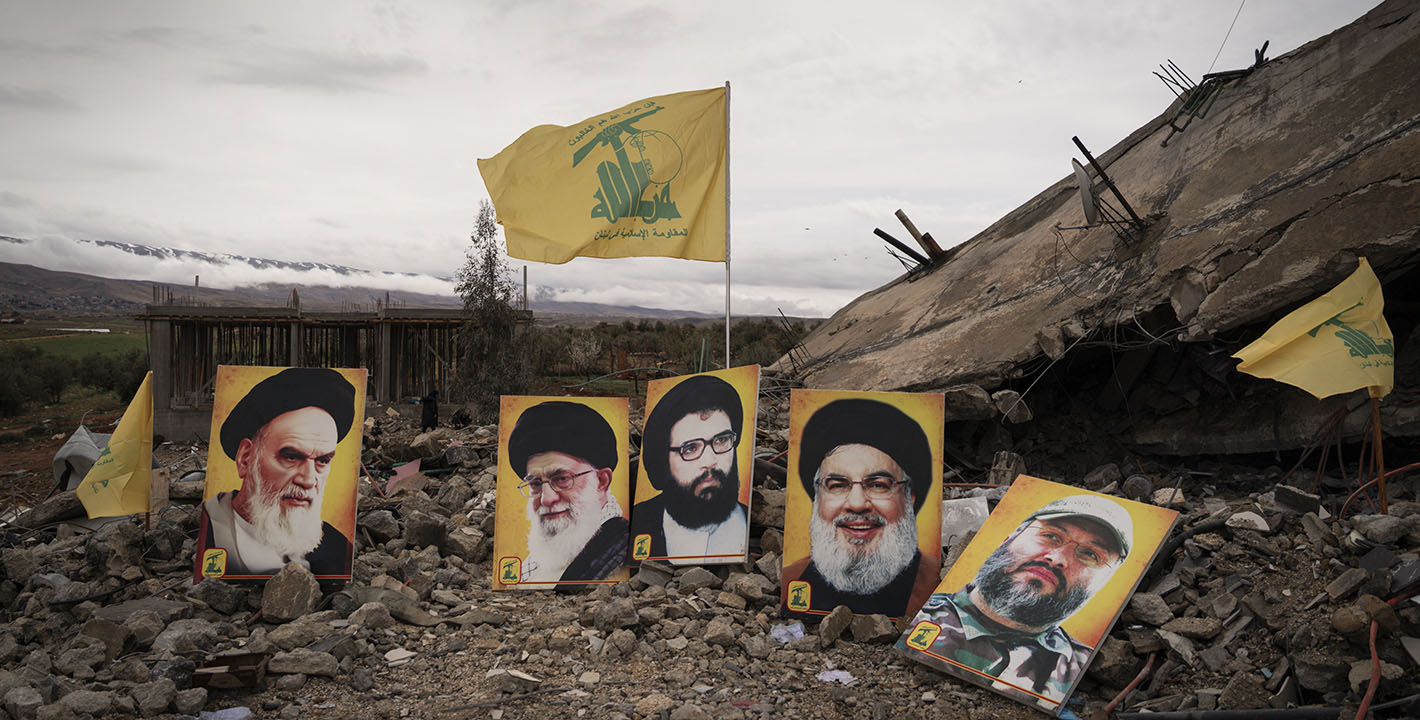
Source: Getty
The party’s objectives involve tying together the Lebanese and Iranian fronts, while surviving militarily and politically at home.
After a month of war on the Lebanese front, Israel is pursuing what it regards as a final battle against Hezbollah, while the party is fighting to prevent its own annihilation. To this end, Hezbollah is employing several parallel policies to be able to bolster its position.
The first is focused on shaping the situation inside Israel. By launching rockets and drones on a regular basis toward targets in northern Israel and beyond, Hezbollah is seeking to accomplish several overlapping objectives: keeping Israel’s home front under constant pressure, exhausting Israeli air defense systems, imposing a prolonged state of instability, and, where possible and in coordination with Iran, inflicting direct losses on Israel. Therefore, Hezbollah may well be more concerned about sustaining such attacks than it is about measuring their direct and tangible impact. What matters most is their persistence, given the likely length of the war and the disruption of weapons supplies to the party after the fall of Bashar al-Assad’s regime in Syria.
A second path involves linking the current war to the regional confrontation between the United States and Israel, on the one hand, and Iran, on the other. From the beginning, Hezbollah’s participation in the war was part of a broader regional effort. Its entry was presented as retaliation for the killing of Iran’s late supreme leader, Ayatollah Ali Khamenei. Israel, in targeting Iranians in Lebanon, has also underscored the presence of members of the Islamic Revolutionary Guard Corps with Hezbollah, alongside reports of coordinated attacks between Tehran and Hezbollah. This underlines the overlap between the Lebanese and Iranian fronts. The intention in the coordinated attacks is to exhaust and disperse Israeli air defenses, opening Israel’s skies up for the penetration of Iranian ballistic missiles. That is why looking at the conflict solely through a Lebanese lens risks missing the broader regional dynamics shaping what is going on.
The third path involves resisting the Israeli ground invasion. Since the outbreak of the war, Israel has not set a clear timeline for its operations. Instead, its rhetoric has remained ambiguous and its officials have sent different signals. For instance, on March 31, Israeli Defense Minister Israel Katz stated that Israeli forces would remain within a “security zone” inside Lebanon, south of the Litani River, and that all houses in border villages would be demolished “like in Rafah and Beit Hanoun” in Gaza. Subsequently, Israel’s military “clarified” his remarks and appeared to set somewhat narrower objectives, explaining that its mission was limited to targeting what it described as “terror infrastructure,” not destroying all homes.
Hezbollah appears to recognize that it cannot stop Israeli forces from advancing on every front. Instead, it has concentrated on raising the costs of that advance, slowing it down, and increasing Israeli losses in order to force Israel to reconsider its ambitions. So, instead of relying on a traditional static defense, Hezbollah is adopting a more flexible, attritional approach. This includes the use of small and mobile units of combatants, armed with anti-tank guided missiles, drone attacks, and engagements at close quarters. The aim is to turn the ground incursion into a prolonged, corrosive war for Israel.
The fourth path centers on Hezbollah’s efforts to defend its domestic position and prevent what it views as its political elimination. From the early days of the conflict, the Lebanese state has taken a series of steps directed against Hezbollah. On March 2, the Salam government banned Hezbollah’s military activities, emphasizing that decisions of war and peace must rest with the state, reflecting a significant shift in Lebanon’s official stance. As the war intensified, Lebanon took other unprecedented measures, for example expressing its willingness to explore direct negotiations with Israel. The political confrontation with Hezbollah reached its peak with the official decision to expel the Iranian ambassador from Lebanon, who nevertheless has refused to leave.
In response, Hezbollah has escalated through multiple channels, in an effort to derail, halt, or at least limit the impact of such decisions. On the popular level, Hezbollah mobilized its base on March 26 to protest against the expulsion of the Iranian ambassador, sending a clear message that such a step would not pass without internal pushback. In its public messaging, the party brought forward hardline figures to sharpen the party’s rhetoric with the authorities, including former parliamentarian Nawaf al-Moussawi, former minister Mahmoud Qomati, and the former head of the Liaison and Coordination Unit, Wafiq Safa. For example, Qomati compared Nawaf Salam’s government to France’s onetime Vichy regime, whose leaders ultimately faced trial and even execution. He warned that Hezbollah was “capable of turning the country upside down.” This served as a reminder of the events of May 7, 2008, when then-prime minister Fouad Siniora’s government was effectively brought down following Hezbollah’s takeover of western Beirut.
Moreover, Hezbollah has sought to consolidate the Shiite front and prevent any communal fragmentation under the pressure of war and ongoing domestic strife. Although Hezbollah’s closest ally, Speaker of Parliament Nabih Berri, initially appeared to take his distance from the party, as when his ministers voted in favor of a government decision to ban Hezbollah’s military activities, this divergence quickly dissipated. Following Lebanon’s decision to expel the Iranian ambassador without consulting him, Berri appears to have concluded that the direction of such steps is aimed at curbing the influence of Lebanon’s Shiite community. This led him to order his ministers to boycott a cabinet session held to address the ambassador’s expulsion, alongside Hezbollah’s ministers, undermining claims of a rift between Berri and the party.
In practice, Hezbollah has refused to make any political concessions—whether regarding its domestic standing or Lebanon’s relationship with Israel—before the end of the war. The party fears finding himself fully banned once the conflict stops, and has argued that with regard to Israel, the state has already conceded too much even before eventual negotiations begin.
If Hezbollah manages to hold on and come out of the war still standing, it will likely portray this as a victory and try to turn its resilience into political leverage at home. The party will exploit whatever means are available to it, despite the heavy price Lebanon, Hezbollah’s base, and the party itself have paid, even if it no longer has the same power it had after the July 2006 war. This is heightening anxieties in Lebanon, both because of Israel’s expanding ambitions and growing assertiveness inside Lebanese territory and because of Hezbollah’s long record of transforming its setbacks into political gains at home, sometimes through the use of force.
Mohamad Fawaz
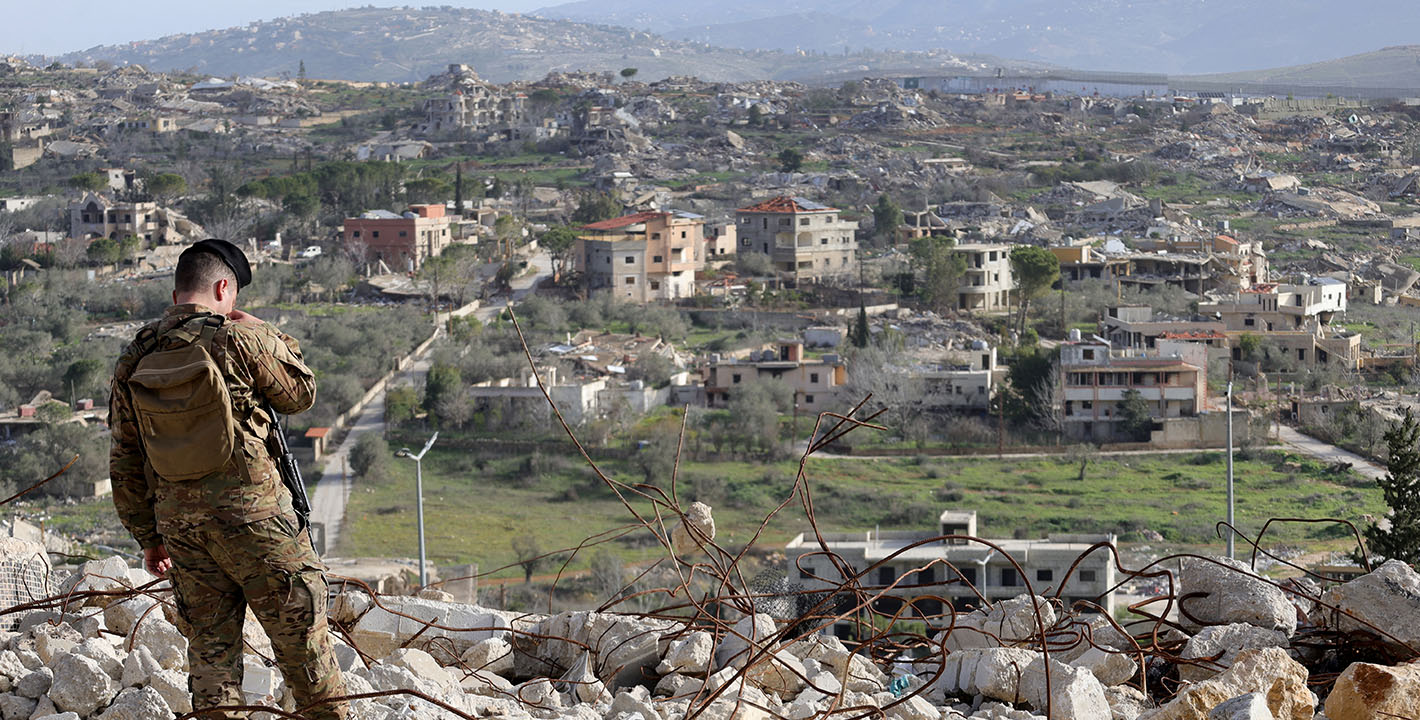
While armed forces commander Rudolph Haykal’s caution is understandable, he is in a position to act, and must.

Michael Young
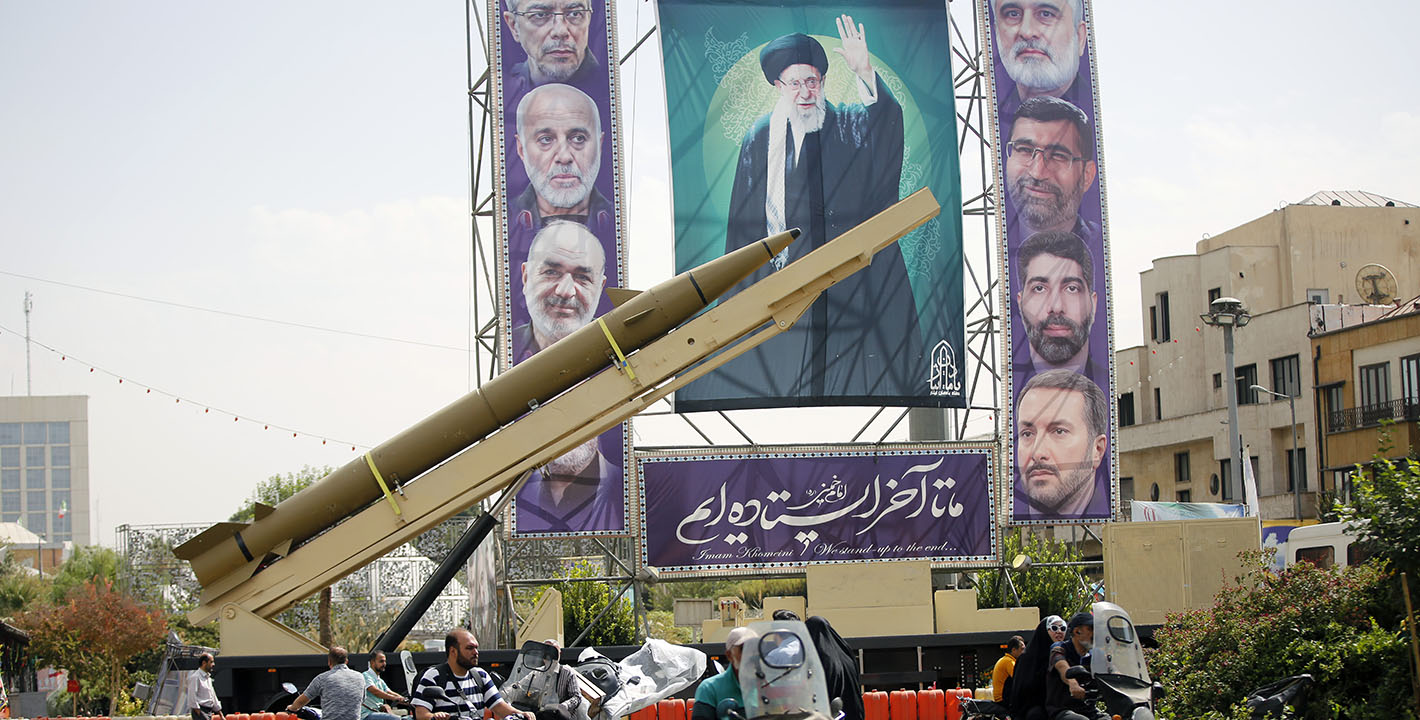
In an interview, Hamidreza Azizi discusses how Tehran has adapted in real time to the conflict with the United States and Israel.
Michael Young
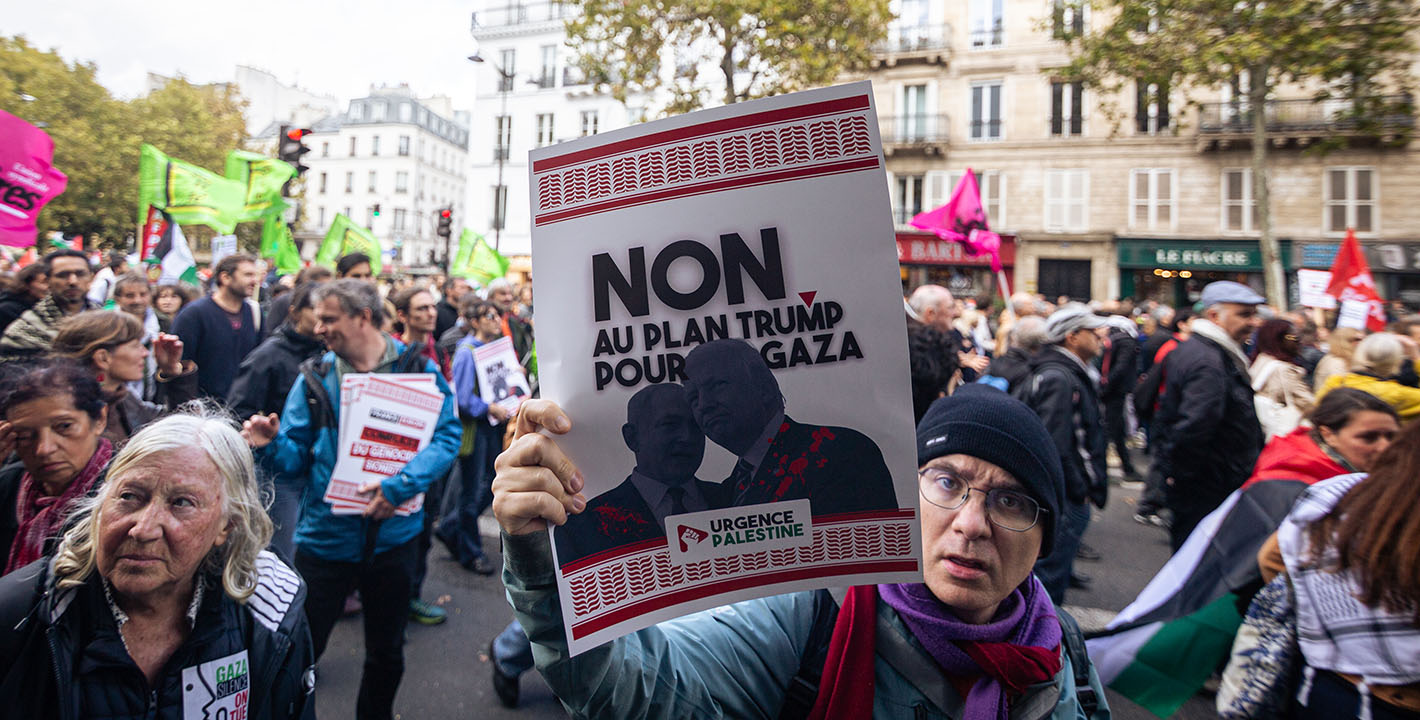
The simple conclusion is that the scheme will bring neither peace nor prosperity, but will institutionalize devastation.

Nathan J. Brown
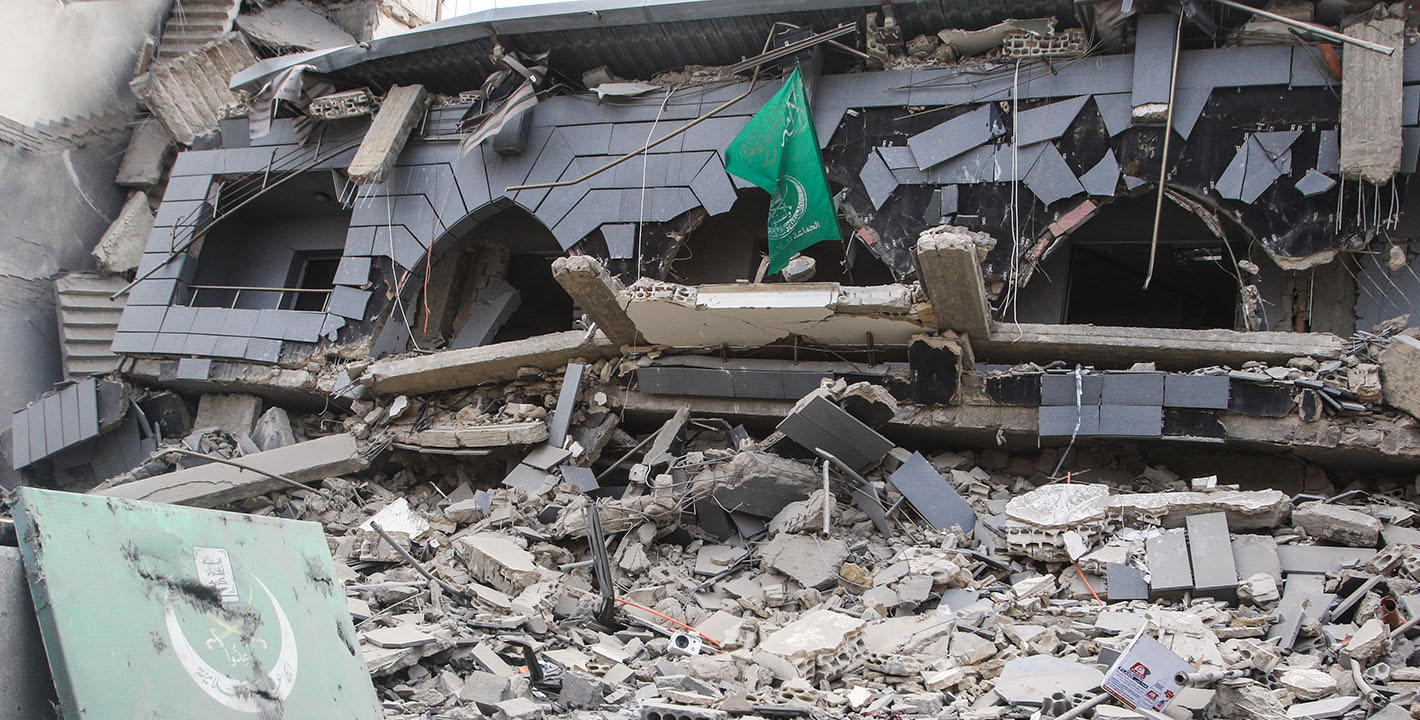
The Jamaa al-Islamiyya is the local Lebanese dimension of a broader struggle involving rival regional powers.

Issam Kayssi
In an interview, Roger Diwan discusses where the global economy may be going in the third week of the U.S.-Israeli war with Iran.

Nur Arafeh